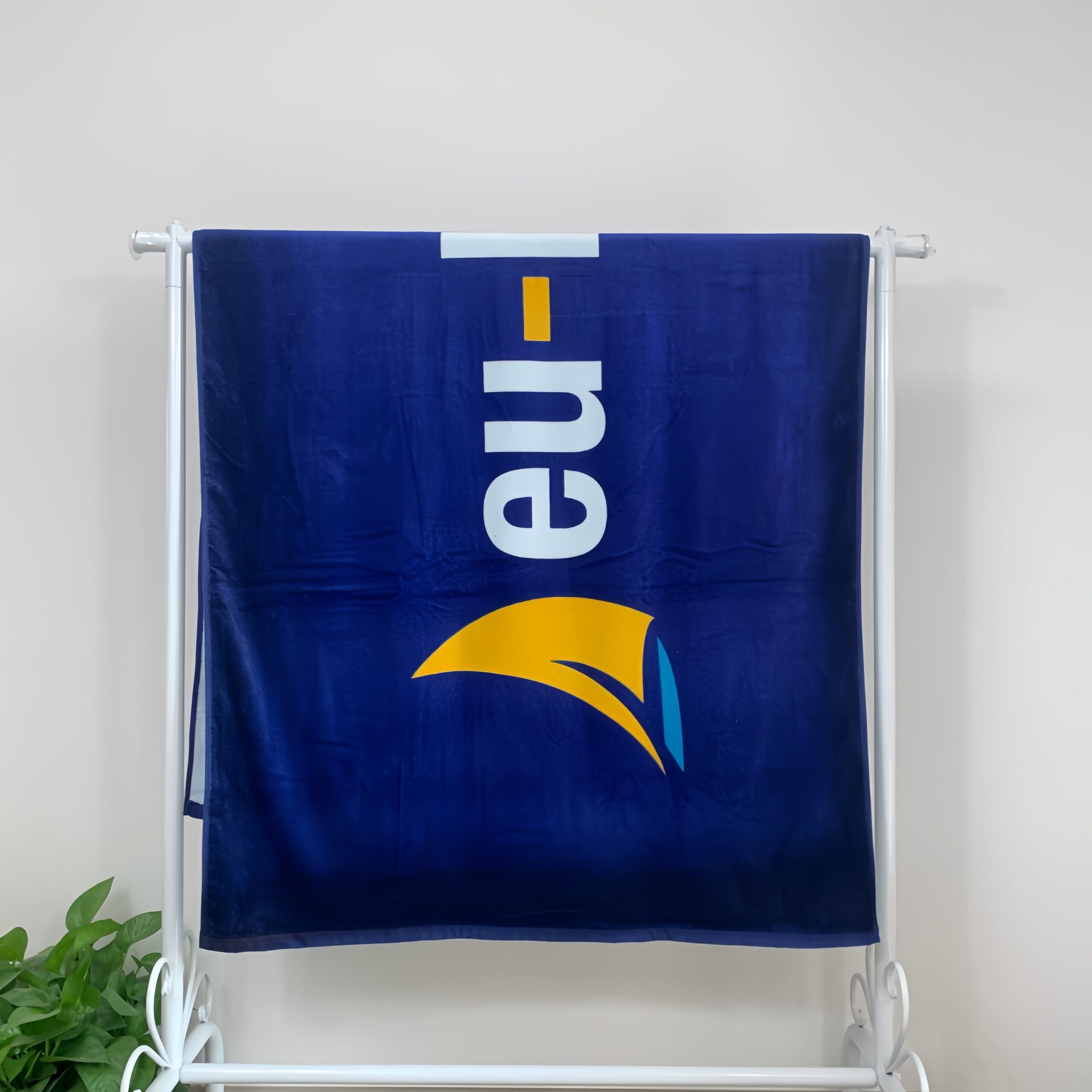
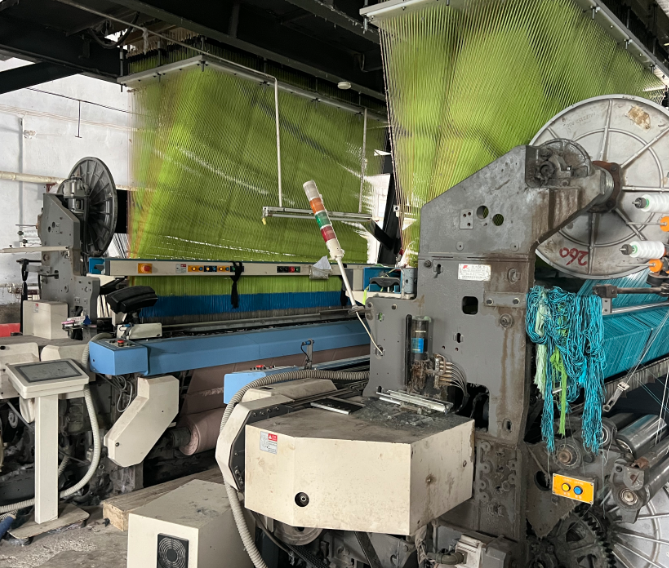
How to Evaluate and Compare OEM Towel Factories in China
For international buyers searching for a China custom towel manufacturer, the biggest challenge is not finding suppliers — it is identifying the right type of supplier.
China has thousands of towel-related companies, but they generally fall into three categories:
- Direct Manufacturer
- Trading Company
- Large Integrated Textile Group
Understanding the difference is essential for brand stability, cost control, and long-term scalability.
1. Manufacturer vs Trading Company: Structural Differences
| Criteria | Direct Manufacturer | Trading Company | Large Textile Group |
|---|---|---|---|
| Own Weaving Machines | ✔ Yes | ✘ No | ✔ Yes |
| Price Transparency | High | Medium/Low | Medium |
| MOQ Flexibility | Medium | Flexible | High MOQ |
| Production Control | Full | Limited | Structured |
| Suitable For | Private Label Brands | Small Mixed Orders | Large Retail Chains |
Key Insight:
If your brand requires consistent logo weaving, stable color matching, and scalable production, direct factory cooperation provides stronger quality control.
Trading companies may help with mixed small-volume orders but often lack deep production oversight.
2. Comparing Core Manufacturing Capabilities
When evaluating a Chinese towel supplier, focus on five technical pillars:
2.1 Weaving Capability
Professional towel factories should support:
- Jacquard weaving (logo woven in)
- Dobby weaving
- Velour finishing
- Microfiber warp knitting
If weaving is outsourced, lead time and consistency risks increase.
2.2 Dyeing Control
Color accuracy is critical for brand consistency.
Ask:
- Is dyeing in-house or subcontracted?
- Do they perform color fastness testing?
- Can they match Pantone standards?
Factories controlling dyeing internally generally maintain better color consistency across reorders.
2.3 Logo Customization Methods
Common customization methods include:
- Jacquard woven logo
- Embroidery
- Reactive printing
- Sublimation printing (microfiber)
- Embossed or laser-cut logo
A reliable OEM supplier should advise which method suits your market positioning.
2.4 Production Capacity
Evaluate:
- Monthly towel output (in pieces)
- Number of weaving machines
- Peak season scheduling capacity
- Worker stability
Capacity impacts delivery reliability.
2.5 Quality Control System
Strong factories implement:
- Yarn inspection before weaving
- Random in-line inspection
- Final product measurement verification
- Needle detection
- Carton drop testing
Without a structured QC workflow, defect rates increase significantly.
3. Price Comparison: Why Quotes Differ
Many buyers receive price gaps of 10–25% between suppliers.
This usually results from:
- Cotton yarn quality differences
- GSM variance
- Weaving density
- Dyeing process quality
- Hidden subcontracting layers
Lowest price does not equal lowest total cost.
Unstable suppliers often cause:
- Color rework
- Shipment delay
- Customer complaints
- Brand reputation damage
4. MOQ Strategy Comparison
Different suppliers apply different MOQ structures:
| Product Type | Typical MOQ (Factory) | Typical MOQ (Trading Company) |
|---|---|---|
| Jacquard Beach Towel | 300–500 pcs/design | 100–300 pcs (higher price) |
| Printed Cotton Towel | 500–1000 pcs | 300–500 pcs |
| Microfiber Sublimated | 200–500 pcs | 100–300 pcs |
Factories may offer competitive pricing but require stable production quantities.
5. Export Experience Comparison
For US & EU markets, suppliers should understand:
- OEKO-TEX Standard 100 compliance
- AZO-free dye regulations
- REACH requirements
- Amazon packaging standards
- Retail barcode labeling
Export-experienced manufacturers reduce customs and compliance risks.
6. Long-Term Partnership Evaluation Model
To compare suppliers objectively, apply this weighted scoring model:
| Factor | Weight | Score (1–5) |
|---|---|---|
| Production Control | 25% | |
| Quality Stability | 25% | |
| Pricing Structure | 15% | |
| MOQ Flexibility | 15% | |
| Export Knowledge | 20% |
Total score above 4.0 generally indicates reliable long-term partner potential.
7. Common Mistakes When Comparing Chinese Towel Suppliers
- Choosing only based on lowest quotation
- Ignoring production transparency
- Not requesting real production photos or videos
- Overlooking dyeing quality reports
- Not clarifying incoterms
Professional evaluation requires technical questions, not only price comparison.
8. Which Type of China Custom Towel Manufacturer Is Best?
It depends on your brand stage:
Startup Private Label Brand
Best choice: Medium-sized factory with flexible MOQ and OEM support.
Promotional or Event Orders
Best choice: Supplier with high-volume production and fast turnaround.
Retail Chain / Supermarket Program
Best choice: Large integrated textile group with compliance certification.
FAQ – Comparing China Custom Towel Manufacturers
Q1: How do I verify a real towel factory in China?
Request factory audit reports, production videos, and confirm machinery type.
Q2: Are trading companies always bad?
No. They can help with diversified sourcing, but quality control depends on their management.
Q3: Why do jacquard towels have higher MOQ?
Jacquard weaving requires machine setup and yarn preparation cost.
Q4: What is the safest cooperation model?
Start with sample order → small bulk → scale after quality verification.