A Professional Buyer’s Checklist for OEM & Private Label Towels
Sourcing from a China custom towel manufacturer can significantly reduce costs and improve product scalability. However, choosing the right supplier requires structured evaluation.
Below are the ten most critical questions professional buyers ask before placing an order.
1. Are You a Direct Manufacturer or a Trading Company?
This determines:
- Production transparency
- Cost structure
- Lead time reliability
Ask for:
- Factory registration details
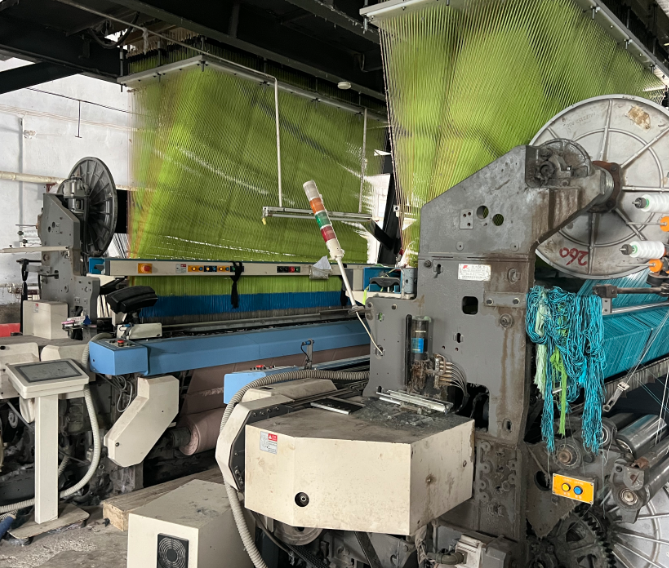
- Production workshop photos
- Machine inventory list
Direct manufacturers typically provide stronger quality control and more stable pricing.
2. Is Weaving Done In-House?
Towel quality depends heavily on weaving control.
If weaving is outsourced:
- Lead times may fluctuate
- Color consistency may vary
- Logo precision may suffer
In-house weaving allows:
- Better jacquard logo accuracy
- GSM control
- Production scheduling stability
3. How Do You Control Dyeing Quality?
Color consistency is critical for brand identity.
Ask:
- Is dyeing done internally or subcontracted?
- Do you perform color fastness testing?
- Can you match Pantone shades?
Factories that control dyeing reduce the risk of reorders with color deviation.
4. What Is Your MOQ Structure?
MOQ impacts startup brands significantly.
Clarify:
- MOQ per design
- MOQ per color
- Mixed-color flexibility
- Sampling cost
Typical MOQ range:
- Jacquard cotton towel: 300–500 pcs
- Printed cotton towel: 500–1000 pcs
- Microfiber sublimation towel: 200–500 pcs
5. What Is Your Monthly Production Capacity?
Capacity reflects stability.
Request data on:
- Monthly output (pieces)
- Number of weaving machines
- Peak season production schedule
Reliable factories maintain buffer capacity for repeat clients.
6. What Quality Control System Do You Use?
Professional OEM factories implement multi-stage QC:
- Yarn inspection
- In-line inspection during weaving
- Finished product measurement
- Needle detection
- Carton inspection
Ask if they provide inspection reports before shipment.
7. What Certifications Do You Hold?
For US and EU markets, suppliers should comply with:
- OEKO-TEX Standard 100
- AZO-free dye requirements
- REACH regulations
- BSCI audit (if applicable)
Compliance reduces import risk and strengthens retail credibility.
8. What Is Your Standard Production Timeline?
Understand realistic timelines:
- Sampling: 5–10 days
- Bulk production: 20–35 days
Ask how peak season affects delivery.
9. Can You Support Private Label Packaging?
OEM support should include:
- Woven labels
- Wash care labels
- Barcode stickers
- Custom polybags
- Retail-ready cartons
Export-experienced manufacturers understand Amazon, retail, and distributor requirements.
10. How Do You Handle Reorders and Long-Term Cooperation?
Consistency is critical in textile manufacturing.
Ask:
- How do you store yarn color records?
- Can you guarantee repeat color accuracy?
- Do you prioritize returning clients in production scheduling?
Long-term partnerships reduce production variability and improve cost efficiency.
Bonus Evaluation Tip: Request a Small Trial Order
Before large-scale production:
- Approve sample
- Place small bulk order
- Inspect quality consistency
- Evaluate communication efficiency
This reduces sourcing risk.
FAQ – Buying Custom Towels from China
Q1: What is the safest payment structure?
Common structure: 30% deposit + 70% balance before shipment.
Q2: How can I verify factory authenticity?
Request production videos, audit reports, and third-party inspection.
Q3: Is lower price always better?
No. Lower prices often indicate lower yarn quality or subcontracted production.
Q4: What towel type is most popular for private label?
Jacquard woven cotton towels and microfiber sublimated sports towels are common for branding.
Final Insight
When sourcing from China, professional buyers focus on:
- Production control
- Dyeing stability
- Certification compliance
- Transparent communication
- Long-term reliability
Asking the right questions is the foundation of selecting a reliable OEM towel manufacturer.